These Unrecognized Saviors of Building: Recognizing Primary Builders
In the world of construction, exists a team of professionals that frequently operate behind the scenes, guaranteeing every project goes off without a hitch from inception to realization. These overlooked champions are general contractors, the professionals responsible for the challenging responsibility of managing various aspects of construction projects. Whether you're renovating your home or embarking on a large commercial development, the position of a general contractor is crucial. They serve as the key point of contact, organizing all the moving parts and people involved to realize an idea to life.
Many people ask, what exactly does a general contractor do? This thorough guide intends to delve into the essential functions they perform, the qualities that define the great ones, and why hiring a licensed professional can save you money. From navigating permits and regulations to working closely with architects and subcontractors, general contractors play a pivotal role in the achievement of any construction endeavor. We will also explore key questions to ask before hiring one, common mistakes homeowners make, and how to protect against scams in the industry. Let's immerse ourselves in the incredible world of general contracting and find out why these professionals merit our recognition and appreciation.
Understanding the Role of a Contractor
A contractor acts as the key player in building projects, bridging the gap between customers, subcontracted workers, and vendors. They are tasked with overseeing the complete of a project from beginning to finalization, making sure that all aspects are carried out effectively and within agreed timelines. This includes controlling budgets, scheduling, and standards management, while also managing the nuances of safety codes and state requirements.
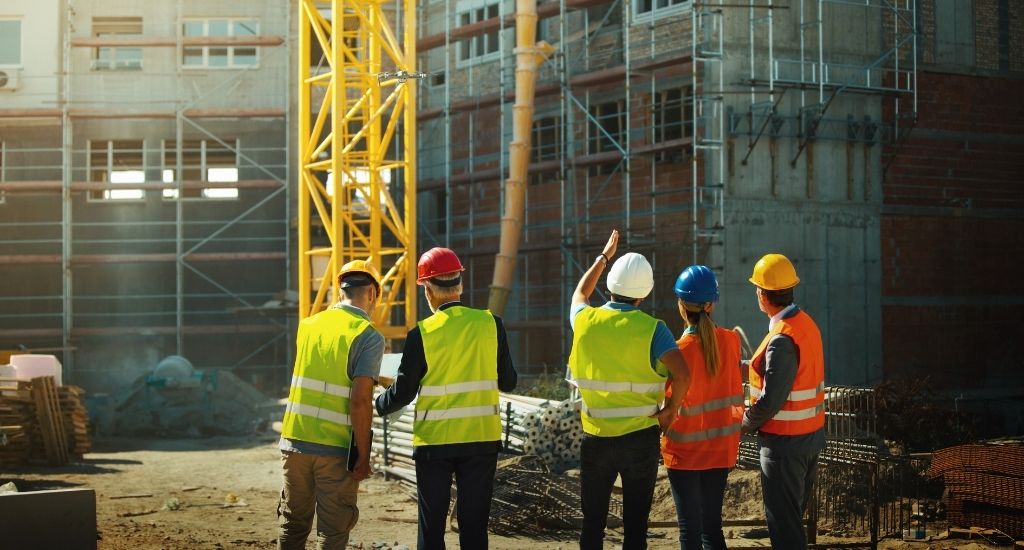
In addition to project management, contractors are charged with synchronizing the activities of various specialized tradespeople, including electrical workers, plumbing specialists, and joiners. contractors irving tx requires robust collaboration abilities and the skill to address issues that may emerge among staff. By acting as the main point of coordination, they make certain that everyone involved in the project is aligned with the collective goals and timelines, which is vital for keeping advancement and steering clear of costly setbacks.
Moreover, the role of a general contractor also encompasses managing risks and protection. They are in charge of enforcing safety protocols on the job site, which protects not only the workers but also the quality of the construction effort. By contracting licensed contractors, property owners can have assurance understanding that they are engaging with professionals who emphasize safety and adherence to regulations, while also providing expert expertise to the construction process.
Key Considerations for Hiring a General Contractor
When it comes to selecting a contractor, it is crucially evaluate their background and portfolio. Search for contractors who have a demonstrated history in projects similar to yours, including residential or industrial. A strong portfolio showcases their competence to oversee various facets of building and renovation efficiently. Moreover, it's request references from prior clients to gain perspective into their professionalism and trustworthiness.
Clear communication is another vital factor to consider. A good general contractor should be approachable, attentive, and prepared to discuss your project in detail. From the initial consultation to the last touches, open communication certifies that your vision is understood and implemented accurately. During your interactions, assess how well they pay attention to your suggestions and issues; this will often indicate their commitment and commitment to satisfying clients.
In conclusion, don’t dismiss the significance of confirming that the general contractor is licensed and insured. A licensed contractor follows to the regulations and requirements of your locality, providing you with peace of mind. Insurance is also important, as it protects both you and the contractor from potential liabilities. Before making a decision, confirm their qualifications and check for any problems or issues with their prior work, which can help you avoid common pitfalls in the hiring process.
The Influence of Main Contractors on Construction Success
Main contractors play a key role in the completion of development projects, serving as the main point that ties together various aspects of the construction. They bring a wealth of expertise and experience, ensuring that projects move forward smoothly from initiation to completion. Their proficiency allows for efficient management of deadlines, costs, and assets, which is essential for fulfilling project aims and achieving client satisfaction.
One notable effect of construction managers lies in their skill to coordinate subcontractors and additional workforce. By overseeing these partnerships, they make sure that each aspect of the project integrates flawlessly. This management not only promotes collaboration but also minimizes delays and confusion, which are common pitfalls in construction. As a consequence, projects are carried out more effectively, and quality benchmarks are preserved throughout the process.
Furthermore, general contractors enhance the overall protection and regulatory adherence of job sites. By following guidelines and safety protocols, they safeguard the well-being of employees and the community. Their care in managing permits and inspections further strengthens the reliability of the construction, ultimately contributing to the successful finalization of safe, top-notch constructions that last for years.