Clearing Blockages Made Easy: Advice for a Smooth Flow
Blocked drains can be a resident's worst headache, disrupting daily routines and causing unnecessary worry. Whether it’s a stubborn kitchen sink refusing to drain after a hearty meal prep or a shower backing up right before you step in, recognizing the common causes and effective solutions is important for maintaining a uninterrupted flow in your home. Fortunately, there are numerous strategies you can use to tackle this plumbing challenge head-on and ensure your drains remain unclogged and efficient.
In this guide, we will discuss subjects such as the top signs your drain is about to back up to the best home solutions for unclogging blocked drains. We will dive into essential maintenance tips and examine when it is wise to call a licensed plumber. If you've ever found yourself stuck in a puddle of water or wondering how grease builds up in your kitchen pipes, this write-up will provide you with knowledge and practical strategies for skillfully managing drain clogs.
Usual Reasons and Prevention of Obstructed Sinks
Obstructed sinks are a usual problem faced by property owners and can be caused by a number of elements. One of the leading causes is food waste, particularly in the kitchen, where grease, oils, and leftovers can build up over time. Strands of hair is another important factor, especially in bathroom drains, where it merges with soapy residue to create stubborn clogs. Other typical offenders include soap residues, mineral deposits from mineral-rich water, and foreign objects that unintentionally find their way into the plumbing system.
Preventing these clogs is often more straightforward than managing with them after they occur. In the kitchen, using mesh strainers over the sink and confirming that fat is thrown of appropriately can help diminish accumulation. In bathrooms, consistent maintenance of drain covers and hair catchers can significantly reduce the likelihood of hair clogs. Additionally, running hot water down the drains and periodically using organic cleaners can help reduce any premature indicators of buildup before they become serious.
Regular maintenance plays a crucial role in preventing drain clogs. Residents should set up a routine of inspecting drains for slow flow and strange smells, as these can be early indicators of impending problems. Using cleaners specifically designed for drains tailored designed for your system, caring for outdoor and storm drains, and being cognizant of the seasonal issues caused by debris can also help maintain the drains flowing freely. By staying vigilant and taking action, the risk of facing severe clogs can be lessened.
Do It Yourself vs. Professional Solutions
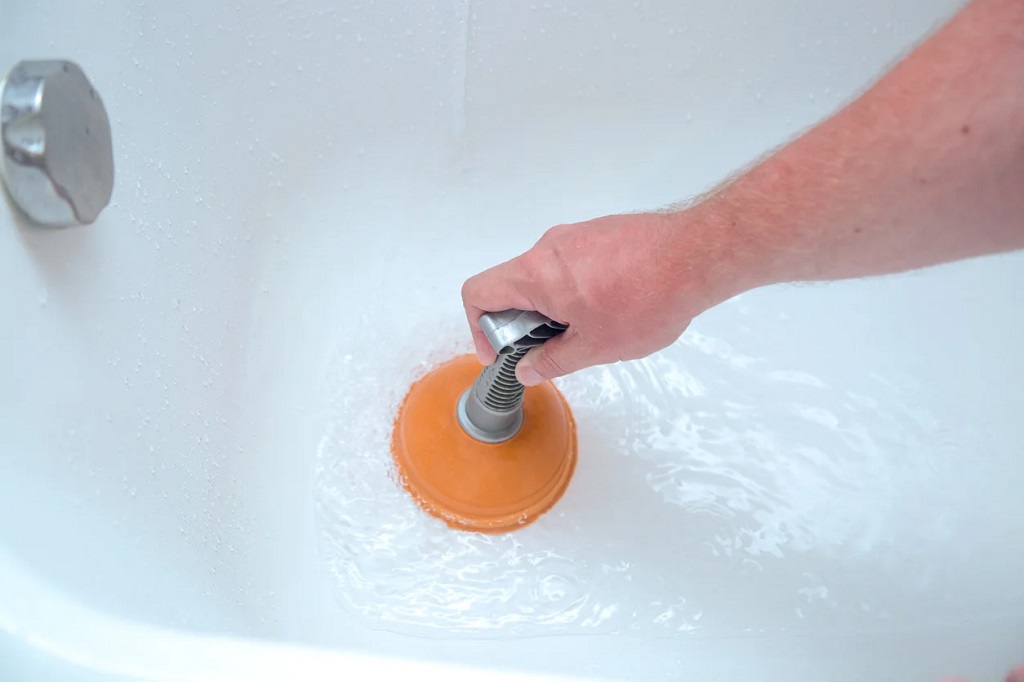
When it comes to unclogging pipes, many property owners weigh the advantages of DIY methods against professional services. DIY approaches, such as using a plunger or a plumbing snake, can be helpful for small clogs. Everyday household items like sodium bicarbonate and vinegar provide a chemical-free alternative for clearing blockages without harsh chemicals. However, some clogs are often much stubborn and may require somewhat specialized methods that are beyond the typical Do It Yourself toolkit.
On the flip side, professional plumbers bring knowledge and advanced tools to address tough pipe blockages. They can quickly pinpoint the root source of recurring issues, whether it's tree roots invading pipes or accumulation from fat and soap. Drain Unblocking Cockermouth Cumbria as high-pressure water jetting offer a deep clean that often resolves problems for good. While DIY can be tempting for its affordability, hiring an professional might save you time and prevent future headaches.
Ultimately, the decision between DIY and expert services depends on the severity of the clog and your comfort level in handling pipe issues. For small, occasional clogs, DIY methods can suffice. However, for ongoing or complex drainage problems, enlisting a professional can provide long-term peace of mind and ensure proper maintenance of your plumbing system.
Care Tips for Clear Drains
Regular maintenance is key to ensuring your drains remain healthy and clear of clogs. One efficient strategy is to create a regular inspection of your drains at least two times a year. Look out for slow drainage or unusual odors, as these can be initial indicators of buildup. In addition, using a combination of baking soda and vinegar once a month can assist break down any minor clogs and prevent debris accumulation.
Proper disposal practices also play a significant role in maintaining clear drains. Steer clear of putting grease, coffee grounds, and food scraps down the kitchen sink, as these can result in serious plumbing issues over time. In bathrooms, be cautious of hair and soap residue that can merge to create clogs. Installing drain covers can help catch hair and other debris, which makes it simpler to keep your pipes clear.
Finally, consider the impact of environmental factors on your drains. For instance, tree roots can invade pipes and cause blockages, especially if you live in an area with many trees. Regularly check outdoor drains and keep gutters clean to prevent overflowing and water damage. By taking preventive steps and staying vigilant, you can maintain healthy drains and steer clear of costly repairs in the future.