Big Rig Tire Failures: Warning Signs and Ways to Prevent
In the realm of the world of heavy-duty trucks, wheels are a vital part ensuring safety and efficiency on the road. The considerable heft of these vehicles, combined with the diverse terrains they navigate, means that tire selection and maintenance are paramount for long-haul success. A flat or blown tire can not only lead to expensive hold-ups but can also pose significant safety risks to drivers and other road users. Understanding how to select appropriate tires, how to detect tire degradation, and recognizing the impact of tire performance on fuel efficiency is crucial for every truck driver and fleet manager.
In this article, we will discuss the common signs of tire failure, efficient cautionary techniques, and the optimal techniques for tire upkeep. From the distinctions among steer and drive tires to the importance of tire inflation and load ratings, we will cover important facts that can help increase the durability of your tires and improve overall safety. Whether you are responsible for a single truck or supervising an entire fleet, this guide is designed to equip you with the knowledge required to make educated selections about semi-truck tires.
Selecting the Proper Tyres for Your Semi-Truck
Selecting the appropriate tyres for your semi-truck is essential for ensuring security, performance, and durability. Take into account the sort of load you haul, as distinct tires are engineered for various loads and conditions. For instance, if you carry bulky freight, selecting tires with higher load ratings will boost balance and reduce premature wear. Considering your usual routes—whether they consist of highways, city streets, or off-road conditions—will also affect your tire choice.
In addition to load capacity, tread design has a critical role in tire performance. Year-round tires may suffice for mild climates, but if you frequently encounter severe winter conditions, investing in dedicated winter tires can boost traction and protection. Bear in mind that the right tread pattern can help with fuel savings and handling, which are important for long-haul operations. It’s necessary to do thorough research and speak with tire professionals to determine the best fit for your individual needs.
Correct tire fill is another consideration to consider when choosing tires. Under-inflated More help can lead to increased rolling resistance, which harms fuel economy and leads to accelerated wear. Routine tire service, including scheduled inspections and balancing, will boost the duration and performance of your tires. In the end, the proper combination of tire choice, maintenance, and inflation will enhance protection and productivity in your trucking operations.
Signs and Prevention of Tire Failure
Identifying the symptoms of tire failure is essential for maintaining protection on the highway. Watch for evident protrusions, fractures, or holes on the wheel’s surface, as these can indicate serious issues. Keep an eye on shifts in control ; if the vehicle drifts to one side or if the steering feels loose, it could suggest improper wear or a defective tire. Frequent checks should include assessing tread depth, as worn tires can greatly elevate the chance of incidents.
Preventative strategies can considerably reduce the risk of tire issues. Maintaining proper air pressure is essential, as under-inflated tires can fail and lead to catastrophes, while high-pressure tires can lead to increased wear. Additionally, regular tire spins and adjustments help spread wear uniformly, prolonging the longevity of your tires. Establishing a diligent maintenance schedule can identify potential issues before they worsen, ensuring tires continue to be roadworthy.
Instructing drivers about tire care is an additional essential prevention strategy. Providing instruction on how to inspect tires before each trip can enable drivers to detect problems early. Moreover, using tire surveillance tools can provide real-time data on inflation levels and temperature, informing fleet managers to issues before they lead to blowouts. Prioritizing tire safety not only boosts safety but also contributes to overall car functionality and financial savings.
Tire Care and Best Practices
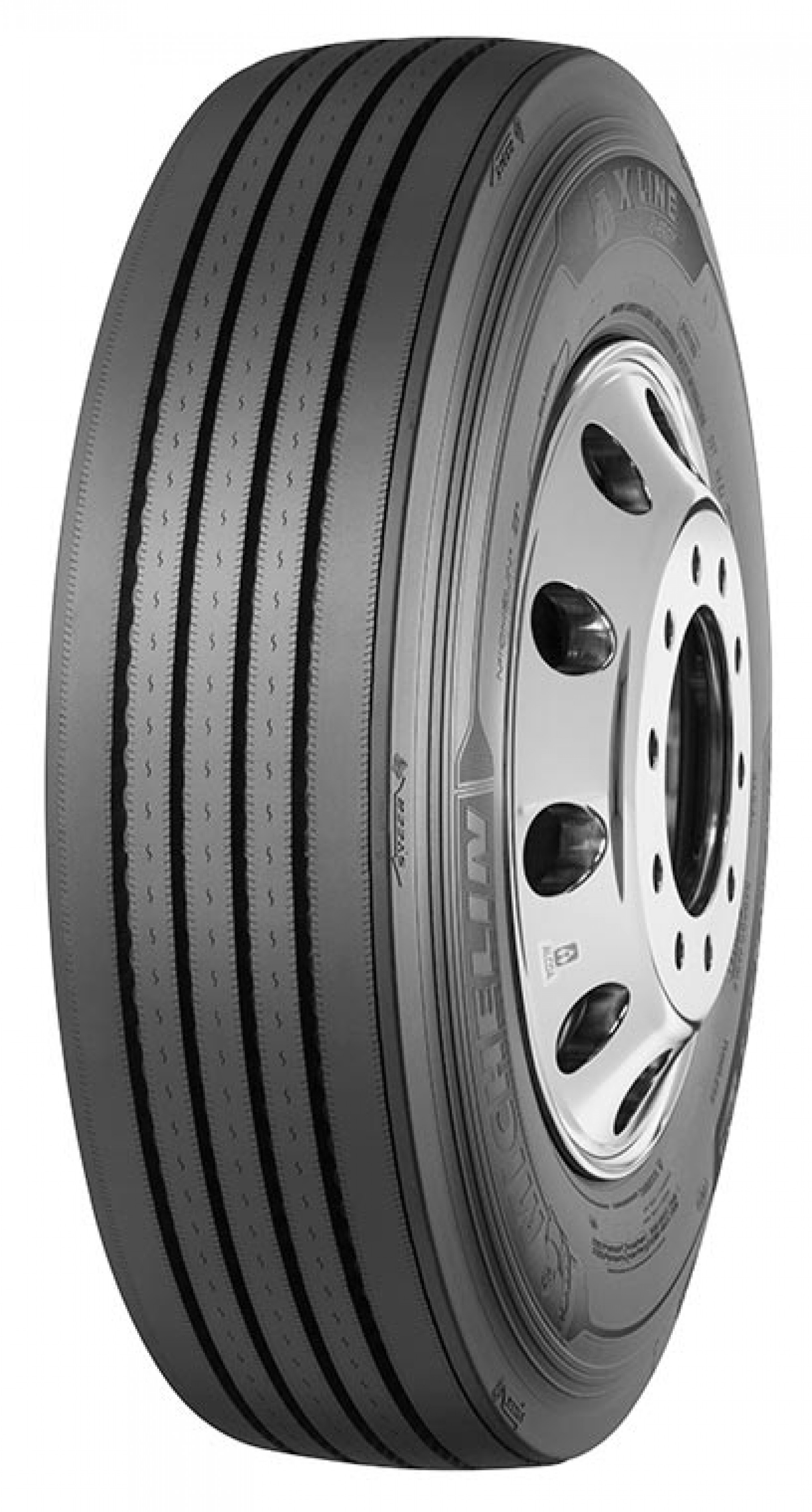
Proper care of semi-truck tires is crucial for ensuring security and maximizing performance on the road. One of the most important methods is regular evaluations, which should be conducted ahead of every journey. Check for visible signs of wear such as fissures, deformations, or lodged objects. Additionally, it is crucial to check tire tread depth to ensure it meets safety standards; replacing tires with insufficient tread can prevent skidding and improve traction.
Ensuring optimal tire inflation is a key component of tire care. Under-inflated tires can lead to increased fuel consumption and tire deterioration, while over-inflated tires may reduce traction and jeopardize ride quality. Utilizing a tire pressure monitoring system (TPMS) can help track pressure in live, allowing drivers to make adjustments as needed. Regularly scheduling pressure checks, especially during drastic temperature changes, can significantly enhance tire longevity.
Lastly, adhering to a rotation schedule is key to achieving uniform wear across tires. For semi-trucks, rotating tires every 5,000 to 8 thousand miles can help distribute wear consistently and extend the durability of the tires. Keeping accurate records of tire rotations, inspections, and care will provide important data for optimizing future tire purchases and improving overall vehicle management. Implementing these optimal techniques will not only enhance tire performance but also contribute to less risky and improved hauling operations.