Battling Marks: Methods to Scrub Cushions Like a Pro
Furniture cleaning may seem as a challenging task to numerous homeowners, yet it doesn’t always need to be. With a little insight and the appropriate techniques, you can confront the challenge and preserve the aesthetic and longevity of your upholstery. This guide has been designed to provide you with all you need to know about cleaning upholstery like a pro, whether you're dealing with typical stains, smells, or just the need for routine care.
In this ultimate guide, we will cover various aspects of upholstery cleaning, including effective DIY techniques, the benefits of expert cleaning, and essential tips for animal owners. You'll also learn how to enhance your home air quality and prolong the life of your pieces through proper maintenance. From understanding the distinctions between steam cleaning and dry wash to learning about the most effective products for persistent stains, we are here to help you make knowledgeable decisions about your upholstery cleaning needs. Get ready to transform your upholstery and create a clean, inviting environment in your living area.
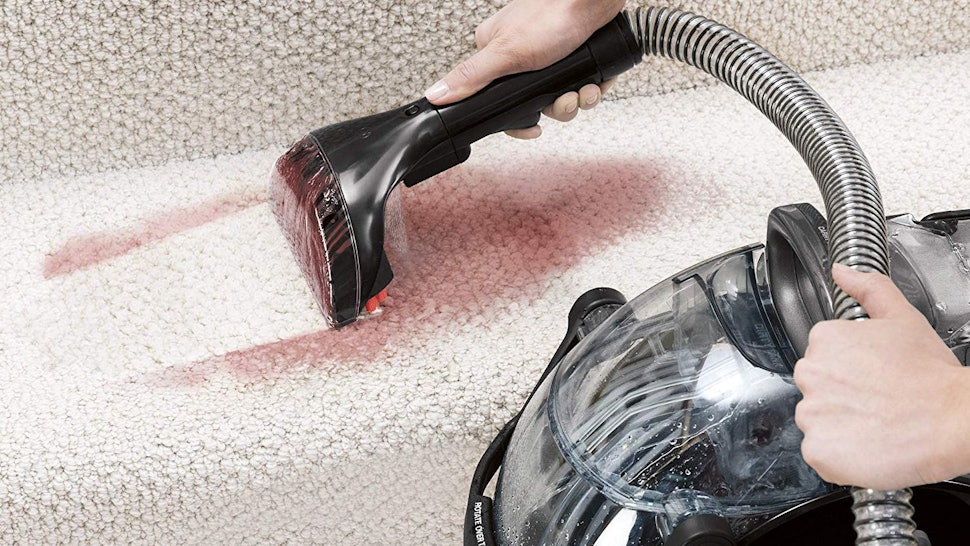
Regular Furniture Marks & Remedies
Upholstery can readily fall victim to a range of marks, making it crucial for property owners to understand the best way to tackle these problems efficiently. One of the most prevalent marks is coffee, which can leave unpleasant marks on upholstery. To treat coffee-related marks, immediately blot the area with a towel to soak up extra moisture, then combine a mixture of mild dish soap and water, applying it gently to the mark. Rinse with a moist cloth afterward to eliminate any detergent residue.
Another frequent challenge is animal marks, such as urine or hair. For urine stains, it's vital to act fast. Dab the spot and then sprinkle baking soda over the stain to neutralize smells. After letting it sit for about 15 minutes, vacuum the spot thoroughly. If lingering odors remain, a blend of vinegar and H2O can help, but always test a small discreet area first to avoid damaging the fabric.
Red wine stains also pose a serious threat to furniture. To remove this mark, sprinkle salt directly on it to absorb the moisture. After a few mins, vacuum the salt and apply a mixture of club soda and dish soap. Blot with a clean cloth until the stain lightens. For stubborn marks, repeating the process or seeking professional help may yield the best results.
Do-It-Yourself vs. Professional Upholstery Cleaning
When it comes to upholstery cleaning, property owners often face the choice between do-it-yourself methods and contracting a qualified service. DIY cleaning can be an appealing option, particularly for those looking to cut money. Many homeowners find success using household items and commercial cleaners to tackle minor stains and maintain the freshness of their furniture. With the right techniques and products, such as mild detergents and upholstery-specific cleaners, it is possible to achieve acceptable results without the need for expert intervention.
However, while do-it-yourself cleaning can handle common messes, it may not be adequate for more stubborn stains or deeply embedded dirt. Expert upholstery cleaners are equipped with state-of-the-art tools and specialized products designed to remove tough stains and disinfect furniture more effectively. They also have the expertise to identify the right cleaning method for various fabric types, minimizing the risk of damage. This is particularly crucial for fragile or severely soiled upholstery, where improper cleaning can lead to discoloration or deterioration of the fabric.
In conclusion, the decision between DIY and professional upholstery cleaning is based on the state of your furniture and the extent of the stains. For routine maintenance and light cleaning, do-it-yourself techniques can be valuable and satisfying. However, for professional upholstery cleaner , investing in professional upholstery cleaning can extend the life of your furniture and ensure a thorough, deep clean that is difficult to replicate at home.
Furniture Care Suggestions for Durability
To ensure the longevity of your upholstery, regular maintenance is key. Cleaning your upholstery on a weekly basis helps remove dust and dust that can build up and damage the fabric over the years. Pay special attention to seams and corners, where dirt can hide. Use a soft brush tool to gently remove dirt without damaging the surface. Incorporating this practice into your cleaning routine can substantially extend the life of your upholstery.
Another crucial aspect of furniture care is shielding it from harsh sunlight. Prolonged contact can lead to discoloration and deterioration of the material. Consider rearranging your furniture to reduce sun exposure or using protective window treatments. If you're buying new upholstery, look for materials that are treated for UV resistance, ensuring that your investment lasts for years and keeps its vibrant look.
Finally, establishing a shoe-free policy in your house can significantly reduce dirt and oils transferred to your upholstery. Encourage family members and guests to remove their shoes upon entering. It may feel uncomfortable at first, but this easy habit can significantly lower the level of grime that accumulates on your upholstery, resulting to neater, more durable upholstery that lasts for years.