As Lighting Becomes Authorized: The Significance of Light Rights Surveys in Construction
In the challenging world of land development, understanding the subtleties of rights and rules is crucial to guaranteeing profitable projects. One frequently ignored aspect is the right of light, a lawful principle that can greatly impact the feasibility of new developments. As urban spaces grow thicker and competition for light becomes more competitive, right of light assessments have emerged as an indispensable tool for developers, property holders, and planners alike. These surveys merely provide valuable insights into potential issues but also help shape planning applications, minimizing the risk of costly legal disputes down the line.
For property developers, navigating the intricacies of right of light laws is vital to protecting investments and ensuring seamless project delivery. Understanding when to conduct a right of light survey, what it entails, and how it can avert disputes is key to any development strategy. In https://www.rightoflightsurveyors.uk/best-right-of-light-surveys-london/ , we will explore the importance of right of light surveys, the necessity of professional guidance, and how contemporary technologies are advancing these assessments, in the end shedding light on what it means for both current and future developments.
Grasping Surveys on Right of Light
Surveys on right of light are crucial assessments carried out to evaluating if a upcoming construction project might impact with current light access of neighboring properties. These surveys examine the light conditions and their potential impacts by adjacent developments, guaranteeing adherence with legal rights and regulations pertaining to light access. Failure to address right of light issues may result in disputes, legal challenges, and significant delays in construction.
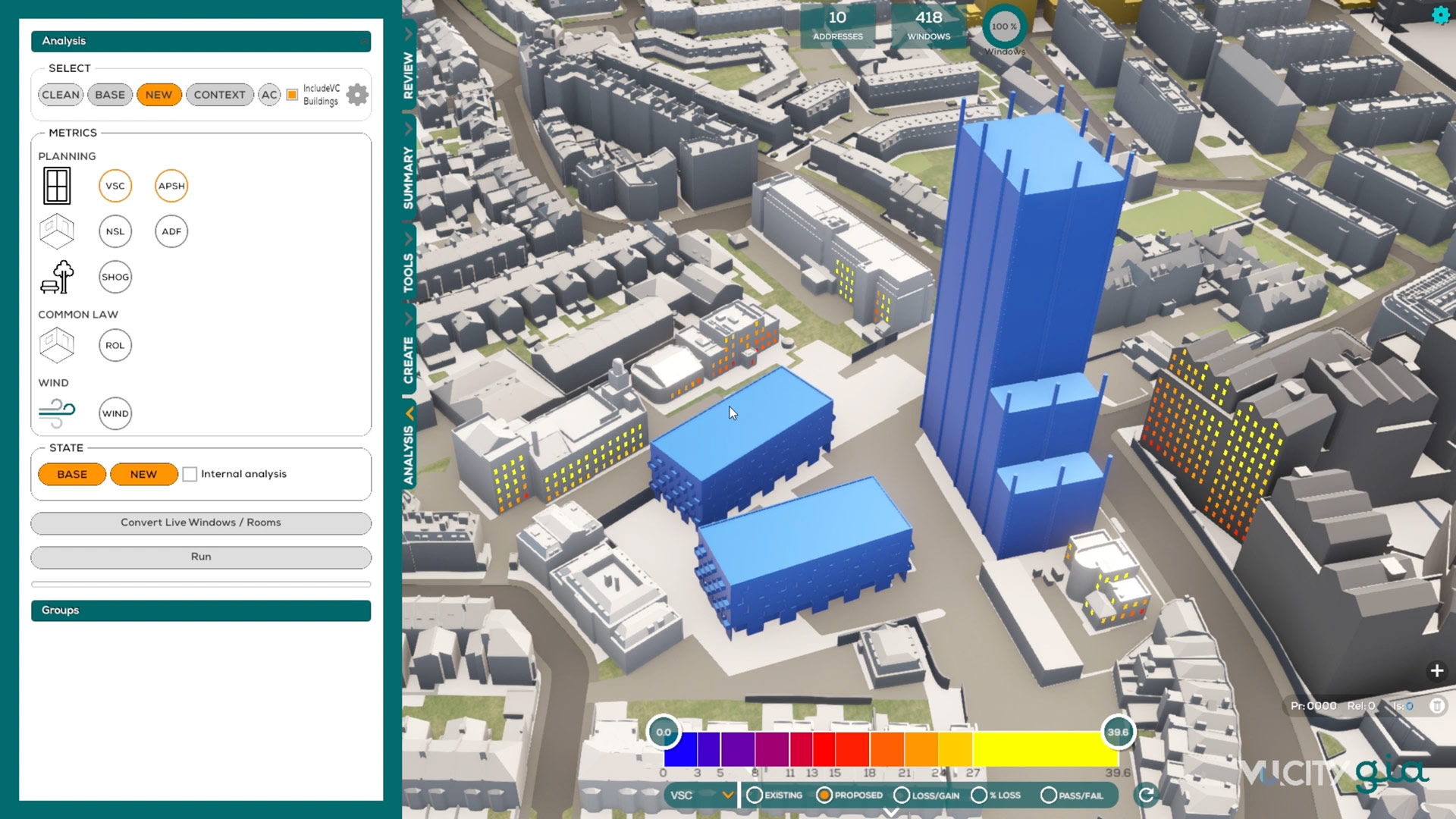
The process usually includes measuring existing light levels and comparing them to proposed changes in the environment due to construction. Surveyors evaluate the angles of light and shadow cast by new structures to evaluate their impact on neighboring properties. By offering a comprehensive overview of potential light interference, such assessments are essential for developers, architects, and homeowners considering new building projects.
Comprehending the implications of right of light surveys is essential for effective property improvement. By recognizing light access rights and potential legal issues early in the planning stages, stakeholders are able to mitigate risks and avoid costly disputes. This proactive approach not just encourages smoother project execution and can additionally enhance the overall value of the property by guaranteeing compliance with right of light laws.
The Impact of Light Rights on Property Development
The light rights significantly influences real estate development, particularly in urban areas where land is scarce. Developers must ensure their projects do not encroach on the light rights of neighboring properties, as this can result in lawsuits and financial loss. Understanding local right of light laws is crucial, as breaches can lead to restraining orders or demands for damages, impacting project timelines and budgets.
Effective right of light surveys provide clarity on the possible risks linked to light infringement before construction begins. By spotting these issues early, builders can make wise decisions, modifying building plans or seeking required permissions to mitigate risks. This forward-thinking approach not only helps prevent costly legal battles but also cultivates good relationships with neighboring property owners, which is essential in a cooperative urban environment.
Additionally, the presence of ample natural light plays a crucial role in real estate value and marketability. Developments that respect light rights can increase the appeal of residential and commercial properties, leading to desirable living and working spaces. As urban development continues to grow, the importance of right of light considerations in development proposals and architectural design cannot be overstated, indicating that these surveys are fundamental to successful property development strategies.
Exploring Right of Light Laws
Comprehending the legal structure surrounding right of light is important for both real estate developers and homeowners. Right of light is a legal entitlement that permits a property owner to access daylight through windows or other apertures. This right can be secured over time if light has been enjoyed for a consistent period of two decades without break. Failing to take into account these legalities during the development and construction phases can cause costly disputes and setbacks. This need for understanding highlights the importance of conducting comprehensive light rights assessments before commencing any building activities.
The challenge of navigating right of light laws can be difficult, especially when different properties and their access to sunlight come into consideration. Developers must be mindful of the implications that their projects may have on neighboring properties, as encroachments or changes can breach on established rights. Collaborating with right of light consultants and surveying professionals can help to interpret relevant laws and provide a comprehensive understanding of potential risks. Partnering with legal professionals who are experts in property law can also ensure that all aspects of right of light compliance are properly managed to mitigate future disputes.
Proactively managing right of light issues is an integral element in the strategic planning of building projects. By identifying possible issues early through specialized surveys, developers can make design changes or negotiate agreements with affected neighbors, thus avoiding lengthy legal battles. Moreover, grasping the relationship between right of light and property values can influence decision-making processes, ensuring that developments remain practical and compliant with laws. Embracing a structured strategy to these issues not only builds strong ties with the community but also protects the longevity and success of the development projects.